
NBC: Black New Yorkers strike back at city program that seized their properties for developers
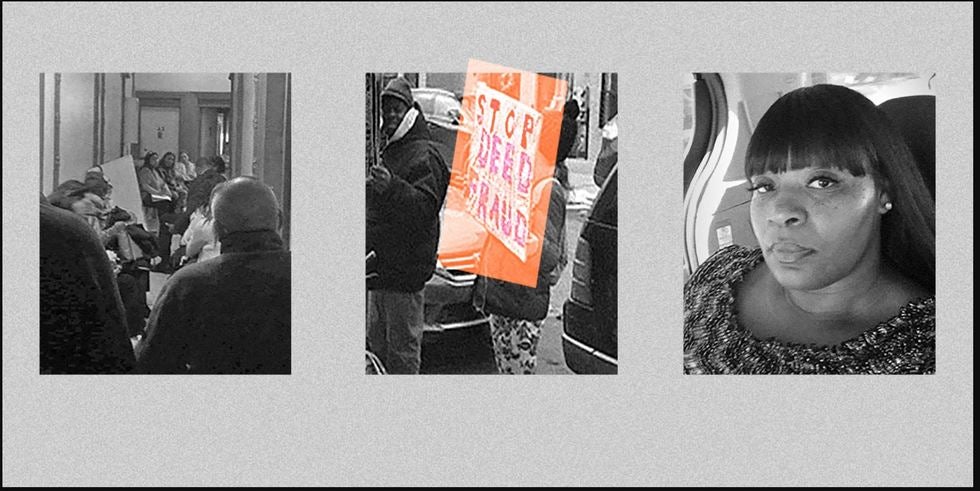
Sherlivia Thomas-Murchison's mother worked for nearly 25 years to make sure her family had a permanent home in the Brooklyn borough of New York City.
The home of her mother, Margaret Blow, was in a co-op building, where Thomas-Murchison was a shareholder, on Madison Street in the Bedford-Stuyvesant neighborhood. Thomas-Murchison owned her apartment, as well as an apartment she and her siblings inherited after their mother died.
But in 2018, she learned that the city had signed the building's deed over to a partnering developer. It meant she and her two children — like her neighbors in the eight-unit building — were without a home.
The transfer happened through a controversial citywide program called the Third Party Transfer program, or TPT, which experts who spoke to NBC News said has had an outsize effect on Black and Latino homeowners. Thomas-Murchison is one of three lead plaintiffs in a class-action lawsuit against New York City and its partnering developers, alleging that the program unfairly aided gentrification, is pushing out Black and Latino residents and has siphoned millions of dollars from families of color.
In June, the 2nd U.S. Circuit Court of Appeals said the suit could move forward after it was stalled by a lower court, PoliticsNY reported.
The U.S. Court of Appeals for the Second Circuit on Wednesday partially reversed a Manhattan federal judge's order dismissing a lawsuit that challenged New York City's Third Party Transfer program, which transfers ownership of tax-delinquent properties through in rem foreclosure proceedings.
The panel, which included U.S. Chief Circuit Judge Debra Ann Livingston and Circuit Judges José Cabranes and Gerard E. Lynch, found that U.S. District Judge John Koeltl was correct in his finding that the plaintiffs in the proposed class-action suit lack standing to seek injunctive and declaratory relief and that the Tax Injunction Act had no direct application to the case.
But they remanded the case so that the surviving claims could proceed, finding that Koeltl exceeded his discretion by concluding that the plaintiffs' claims are barred by the doctrine of comity.
“[Plaintiffs'] claims do not risk disrupting the City's tax administration,” Lynch wrote on behalf of the panel.
Attorneys from Ropes & Gray, White & Case and Valli Kane & Vagnini represent the plaintiffs, who lost their properties as a result of the program.
Politics NY: TPT Homeowners Get Greenlight for Federal Class Action
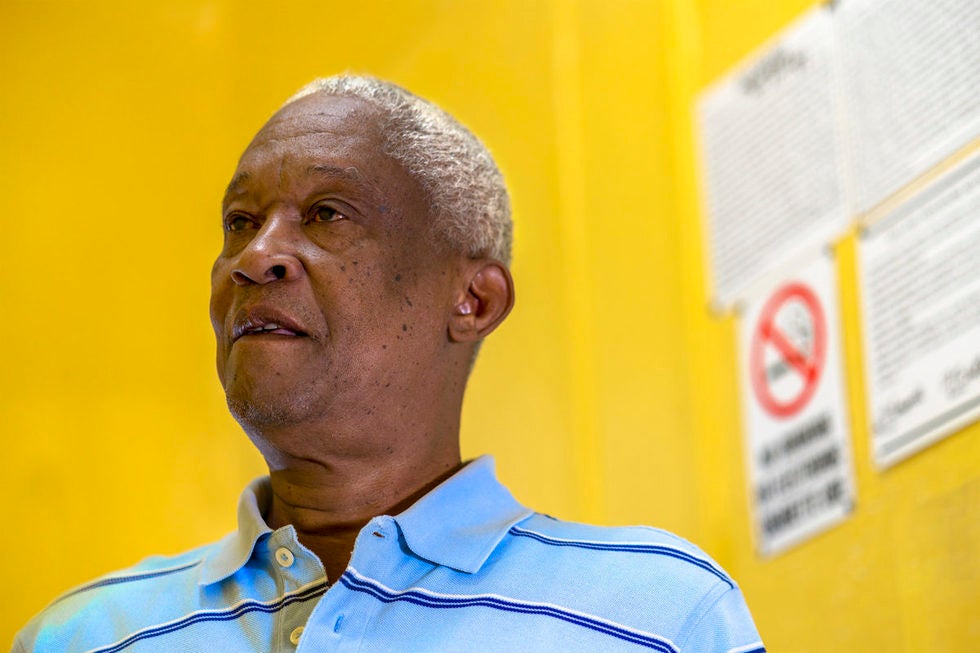
A federal court on Thursday ruled that three central Brooklyn homeowners of color can move forward with a class action civil rights lawsuit to recover their wealth lost through the city's Third Party Transfer program.
The case stems from alleged illegal seizures of homes taken in in-rem foreclosure proceedings under the TPT program. The seizures were first uncovered and reported on in a lengthy series in Kings County Politics, now PoliticsNY.
“Our clients, working families, had their only generational wealth, their homes, snatched from them by the City of New York under its Third Party Transfer Program. They were not given any compensation for these illegal and unconstitutional takings and even though the City tried to get our lawsuit tossed, the Court has now acknowledged that our suit should continue to move forward,” said Matthew L. Berman, one of the plaintiffs' attorneys with the law firm Valli Kane & Vagnini LLP.
The City conducted the seizures under the Department of Housing, Preservation and Development's (HPD) TPT program. The program confiscates the entire property value of a home from the owner, even if the homeowner only owed the City a few thousand dollars in taxes or water and sewer charges.
HPD would then hand the houses, and that excess value, for free or a nominal fee to development organizations of his administration's choosing. Two of these not-for-profit entities, Neighborhood Restore Housing Development Fund and BSDC Kings Covenant Housing Development Fund Company, are defendants in the suit.
The three plaintiff homeowners are McConnell Dorce, Cecilia Jones and Sherlivia Thomas-Murchinson.
“We have definitely been cheated and targeted through this program. The TPT program has affected my family in many ways. My family and our neighbors who should have remained shareholders in the building have lost real, personal and future assets and value in the millions of dollars, not even measuring the value of having a home for the long term. My now deceased mother worked, for close to 25 years, to ensure that our family would have long-term residency in an already-existing affordable housing co-op. The City took that away with the stroke of a pen,” said Thomas-Murchison.
The plaintiffs aim to represent a class of property owners in the five boroughs who have lost their properties to the city without receiving compensation for their lost equity.
The plaintiffs had to go to the U.S. Court of Appeals after the city challenged the plaintiffs' right to file a class-action lawsuit, arguing the matter should be one of state court jurisdiction. But the Plaintiffs successfully argued it is a federal issue as the taking of their property falls under the Fifth Amendment of the U.S. Constitution requiring just compensation for the taking of a person's property.
The properties seized by the City in its most recent batch of TPT transfers were collectively valued at more than $66 million at the time the suit was filed, and now are worth much more. Additionally, the suit seeks to recover the equity value of hundreds of additional properties seized by the City dating back to the early 1990s, with values potentially estimated in the hundreds of millions.
A city Law Department spokesperson noted the ruling was procedural on a jurisdictional issue and the merits have not been heard.
“The City believes the case is meritless and should be dismissed,” the spokesperson said.
We have definitely been cheated and targeted through this program,” said one Brooklyn homeowner
Black homeowners in central Brooklyn are taking action against the city after losing their homes at an alarming rate as part of the controversial Third Party Transfer Program.
The city's Third Party Transfer program allows for a qualified sponsor or building developer to scoop up vacant, “distressed,” or occupied properties that are in foreclosure. Critics have noted that it's mostly Black and brown people affected by the seizures, BK Reader reports.
An estimated 700 New York City homeowners have had their properties taken under TPT. A class-action lawsuit is now brewing against the city, and it aims to bring justice to the victims.
“This program, which was supposed to be used to help preserve affordable housing, has been a subterfuge to remove properties from homeowners who had their properties, in some cases, for more than thirty years,” said Brooklyn Borough President Eric Adams, who seeks to curb the program.
Adams is now running for mayor.
The lawsuit was originally filed in 2019 and alleges the city didn't give homeowners any notice to save their properties, breaching the constitution. The homes taken from Black and brown people would collectively be worth more than $1 billion today, per the report.
The lawsuit recently scored a win when a 2nd Circuit Court of Appeals judge ruled June 23 that the case can proceed after a lower court dismissed the suit. According to the report, two developers are named as defendants: Neighborhood Restore Housing Development Fund Corporation and Bridge Street Development Corporation.
Retired machinist and ambulance driver McConnell Dorce is one of three plaintiffs named in the class-action lawsuit. In 2018, Dorce was stunned after he discovered the city seized the Brownsville building he owned for 38 years due to the $15,000 he owed in water and sewage taxes.
Despite making payment arrangements with the city, which he paid monthly for years, the outstanding bills opened the door for the city to strip him of the property under TPT. Opponents of the program have noted that it is a gateway to gentrification.
Sherlivia Thomas-Murchison's mother worked for nearly 25 years to make sure her family had a permanent home in the Brooklyn borough of New York City.
The home of her mother, Margaret Blow, was in a co-op building, where Thomas-Murchison was a shareholder, on Madison Street in the Bedford-Stuyvesant neighborhood. Thomas-Murchison owned her apartment, as well as an apartment she and her siblings inherited after their mother died.
But in 2018, she learned that the city had signed the building's deed over to a partnering developer. It meant she and her two children — like her neighbors in the eight-unit building — were without a home.
In June, the 2nd U.S. Circuit Court of Appeals said the suit could move forward after it was stalled by a lower court, PoliticsNY reported.

Through the program, which began in the 1990s when Rudy Giuliani was mayor, private property can be seized on the grounds of unpaid utility bills or abandonment. The purpose was to give properties to developers to create low-income housing while eradicating widespread blight.
The plaintiffs say the city seized properties that did not meet the "distressed" criteria and failed to notify nearly 700 homeowners, most of them Black and Latino, in a timely manner that their property was at risk of confiscation or offer any way for them to keep their homes.
It is unlikely that the plaintiff homeowners will get their homes back, but they are asking for payment in the amount of lost equity and wealth, which they estimate to be a collective $1 billion, said Gregg Weiner and Matthew Berman, attorneys for the plaintiffs. In 2019, Thomas-Murchison told the New York Senate in written testimony that her family and neighbors had lost at least a cumulative $20 million in "real, personal and future assets" because of the program.
In about 2012, retired machinist and ambulance driver McConnell Dorce found himself owing water and sewage taxes on the Brownsville building he'd owned for 38 years.
Dorce, a senior and a Haitian immigrant, went to the City and made a payment arrangement. From then on, each time he needed to pay, he'd go into the Department of Environmental Protection office on Livingston Street to service his arrangement.
However, in 2018, Dorce learned something shocking: He was no longer the owner of the property at 373 Rockaway Parkway, and hadn't been for three years.

In 2015, the City had transferred the title of his property to a development company, after it decided to start in rem proceedings on his building under its controversial Third Party Transfer program (TPT), according to a federal class action lawsuit.